
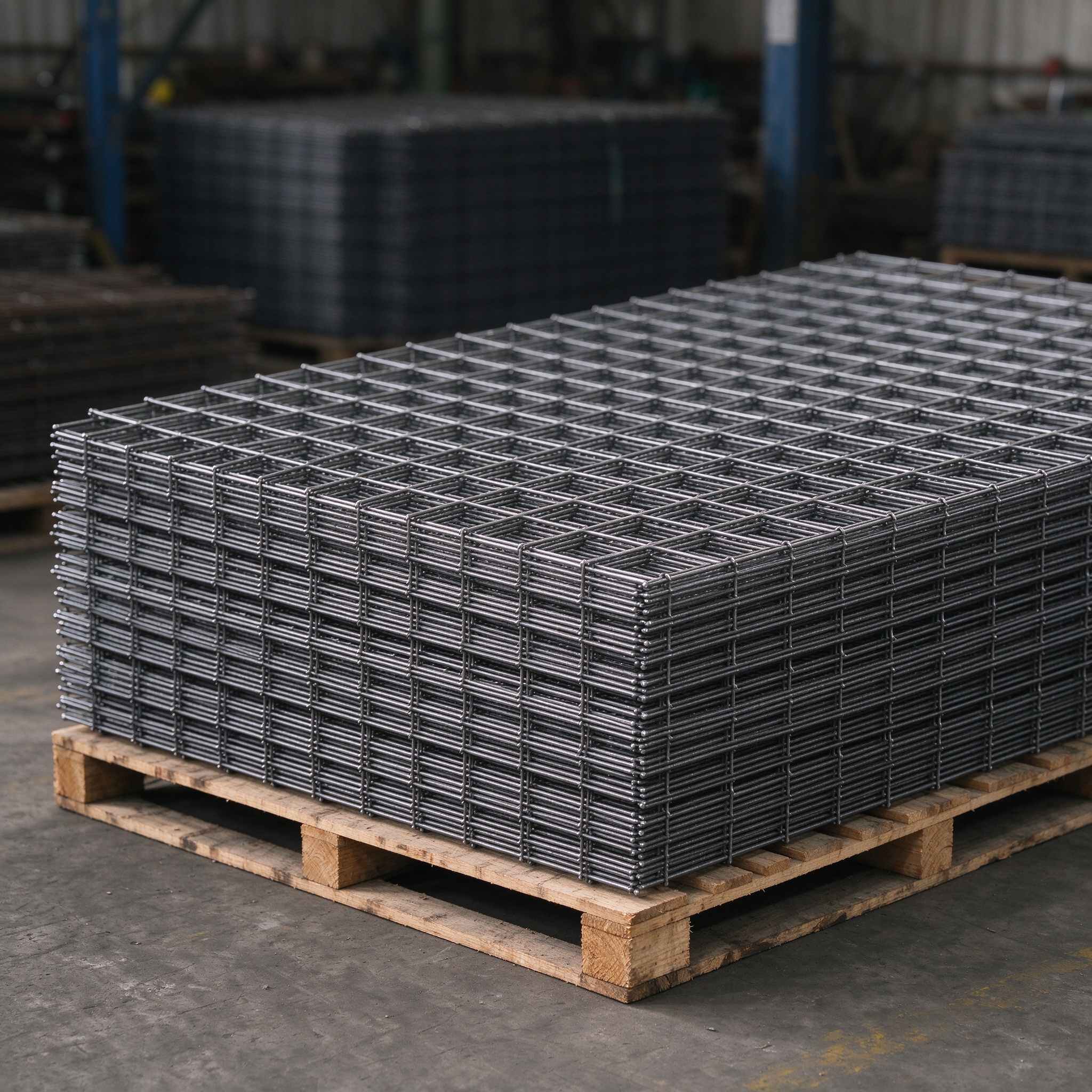
Product Advantages
1.Good integrity: it effectively disperses internal tensile stress in cement mortar and significantly reduces the risk of wall hollowing, cracking, and detachment caused by temperature changes and slight foundation settlement.
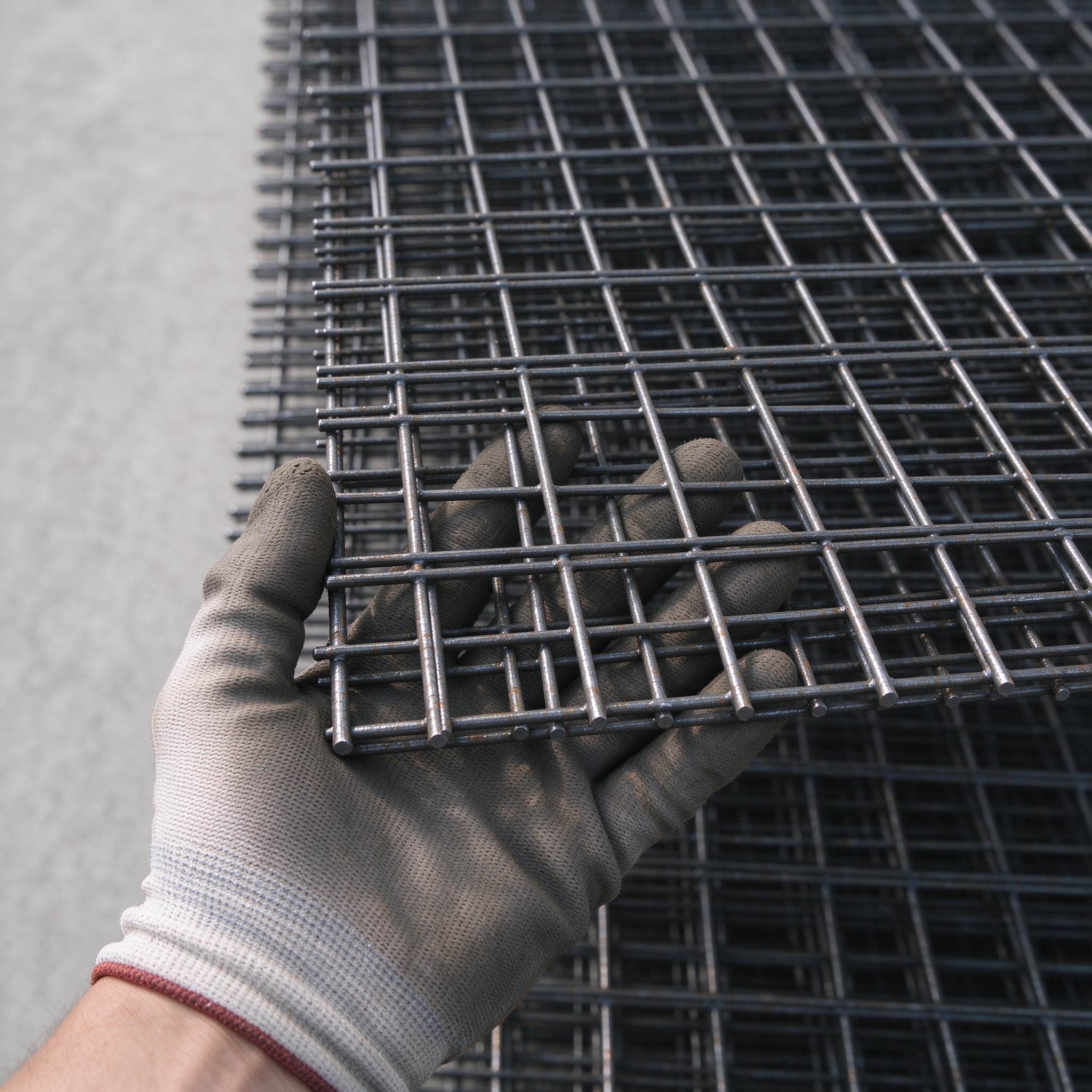
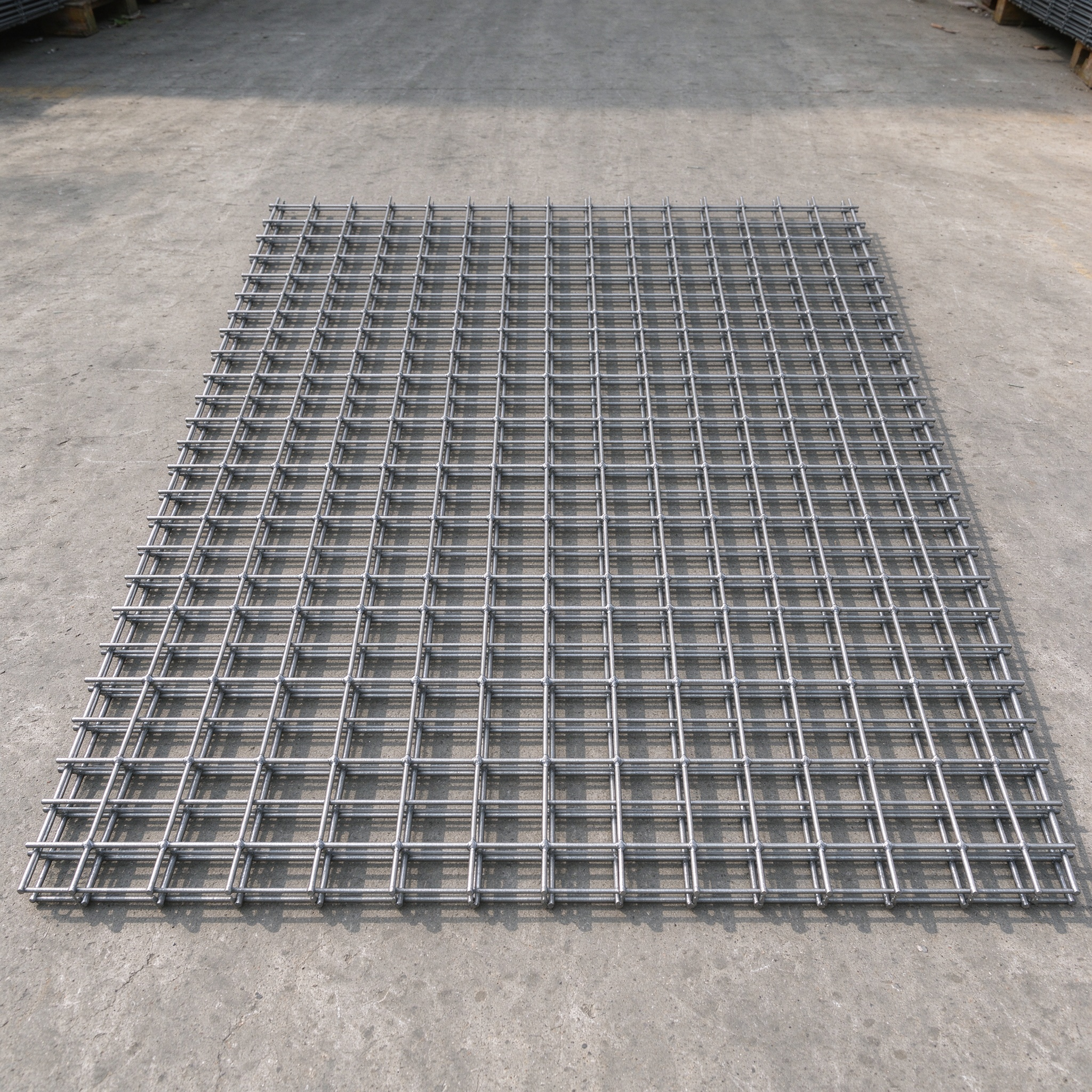
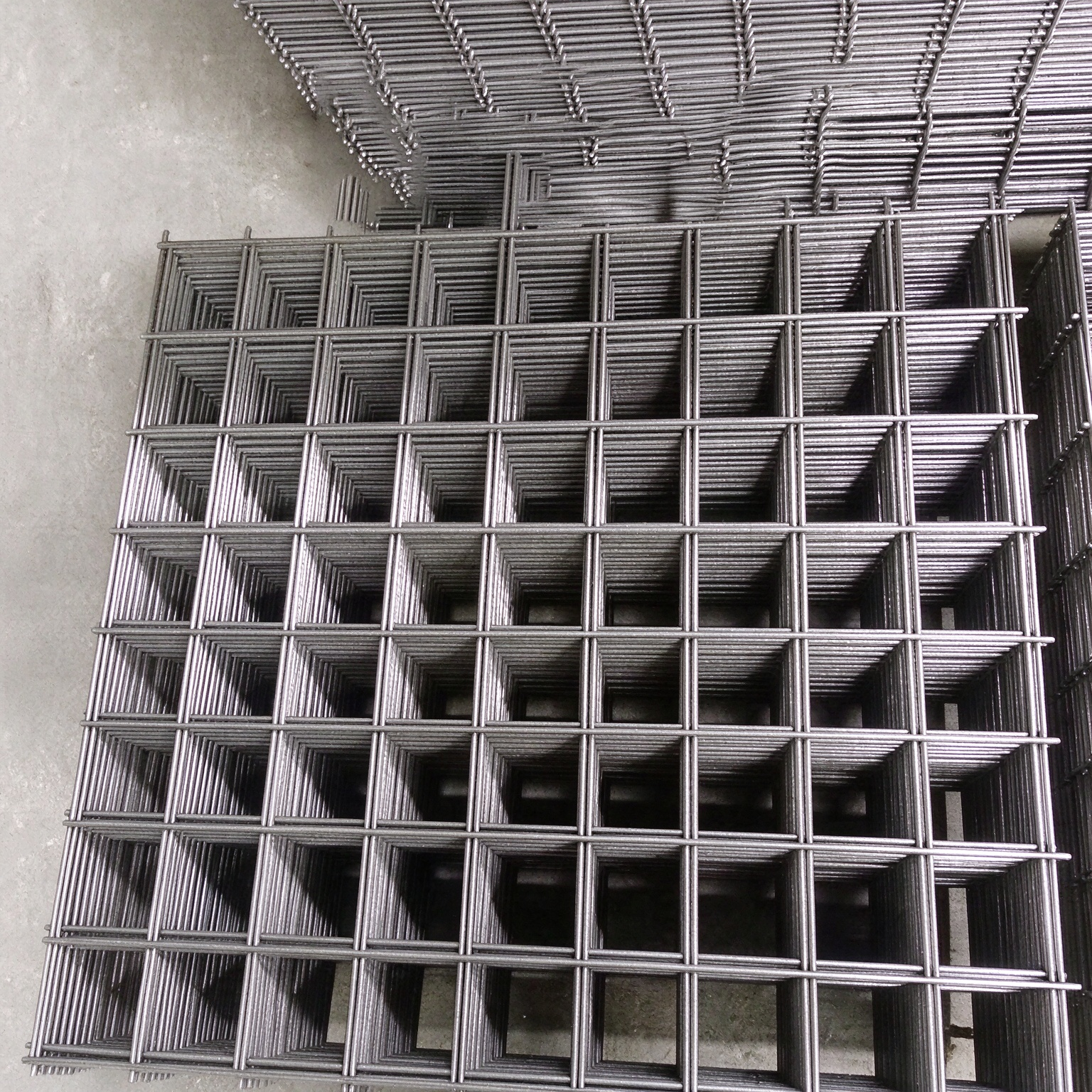
2.Industrialized standardized production: uniform mesh opening dimensions and a flat mesh surface. It can be laid directly on site, reducing manual workload and significantly speeding up construction progress.
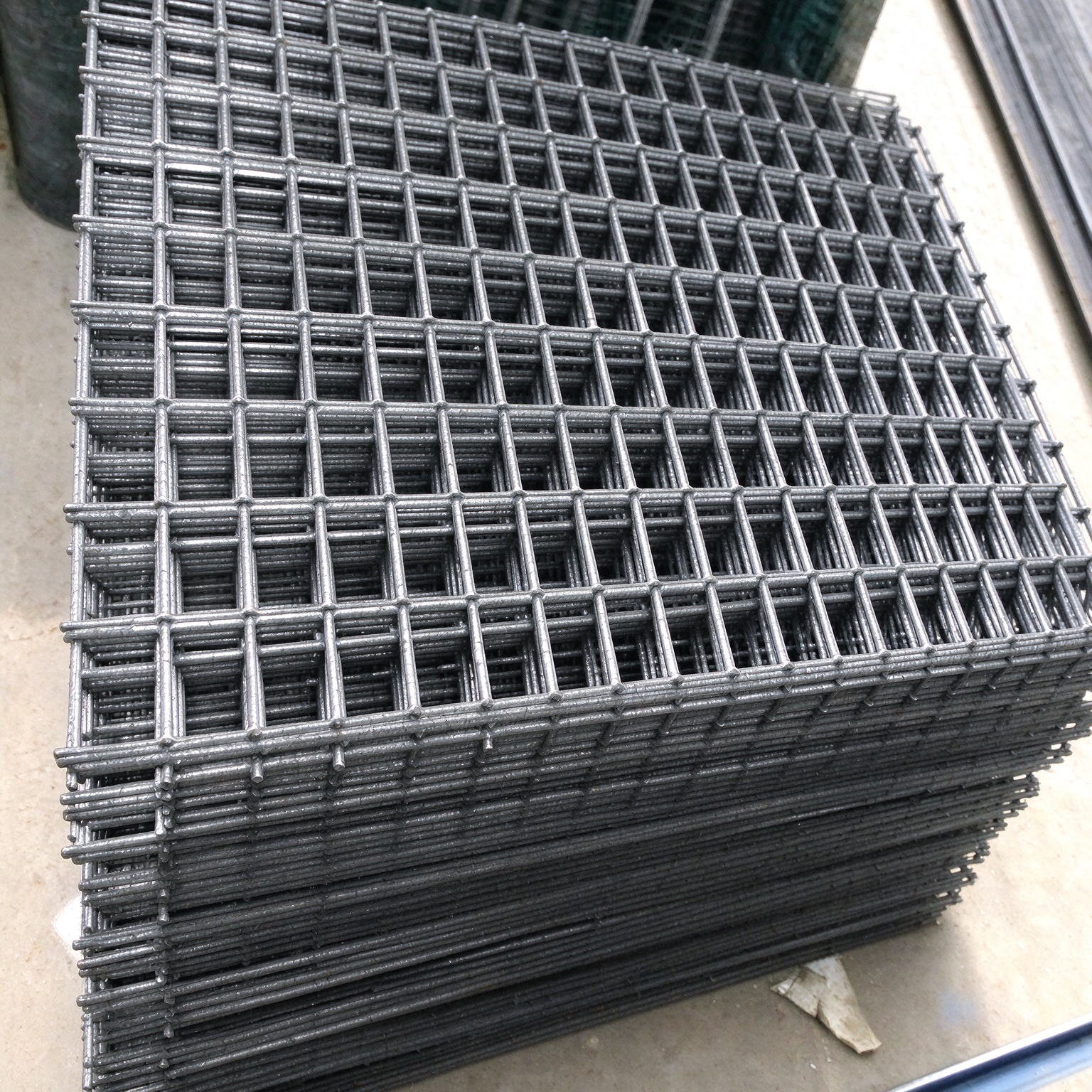
3.Multiple anti-corrosion processes available: the galvanized or dip-coated protective layer is moisture-resistant, oxidation-resistant, and aging-resistant, providing a longer service life under outdoor and humid working conditions.
4.Low self-weight load: it adds no extra burden to the building while improving the ductility and seismic capacity of walls and floors.
5.Flexible customization: wire diameter, mesh opening, and mesh panel size can be freely adjusted; regular specifications are kept in stock for fast delivery, suitable for residential, commercial buildings, and various small and medium-sized infrastructure projects.
6.Good compatibility with cement materials: it bonds tightly with mortar to form an integrated protective layer and enhances overall structural stability.
Application Scenarios
- Wall plaster anti-cracking: internal and external wall plaster mesh to prevent wall cracking and improve mortar adhesion.
- Underfloor heating projects: laid under heating floors to fix heating pipes, disperse ground stress and reduce concrete cracking.
- Roof waterproof protective layer: reinforcement for roof screed and waterproof cover to enhance concrete crack resistance.
- Small-scale floor and site hardening: reinforcement for courtyards and parking lot thin concrete layers.
- Reinforcement for wall filling and lightweight partition walls.
Usage Recommendations
- Electro-galvanized mesh for dry indoor areas; hot-dip galvanized mesh is recommended for exterior walls and damp basements for superior anti-rust performance.
- Overlap width ≥50mm, fasten overlaps firmly. Place mesh in the middle of mortar or concrete.
- Reinforce internal and external corners with wrapped mesh to reduce stress cracking.
- Clean base surface before plastering and fix mesh tightly to avoid bulging or suspension.
- Do not leave mesh exposed outdoors for long periods; cover with mortar as soon as possible after installation.