
Product Advantages
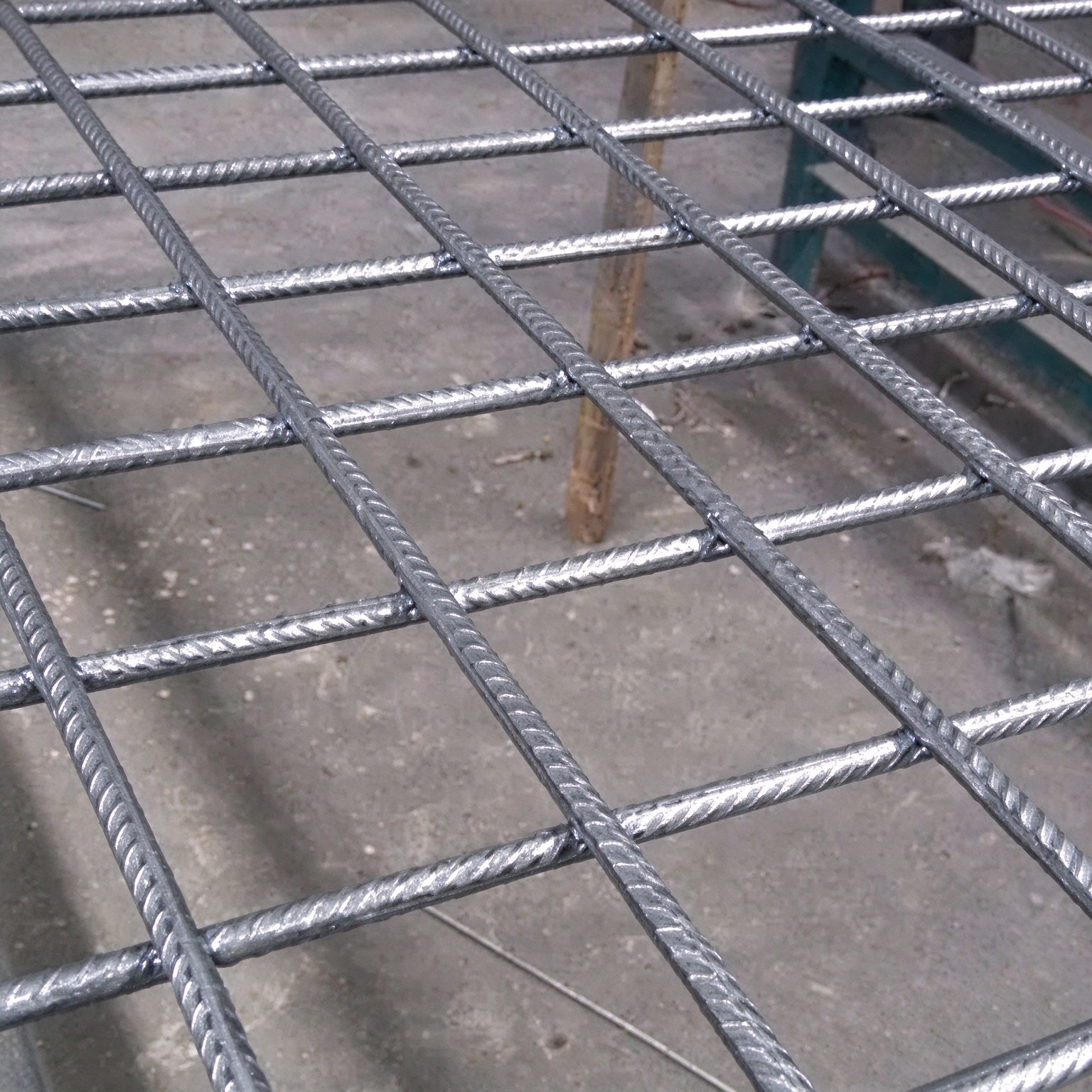
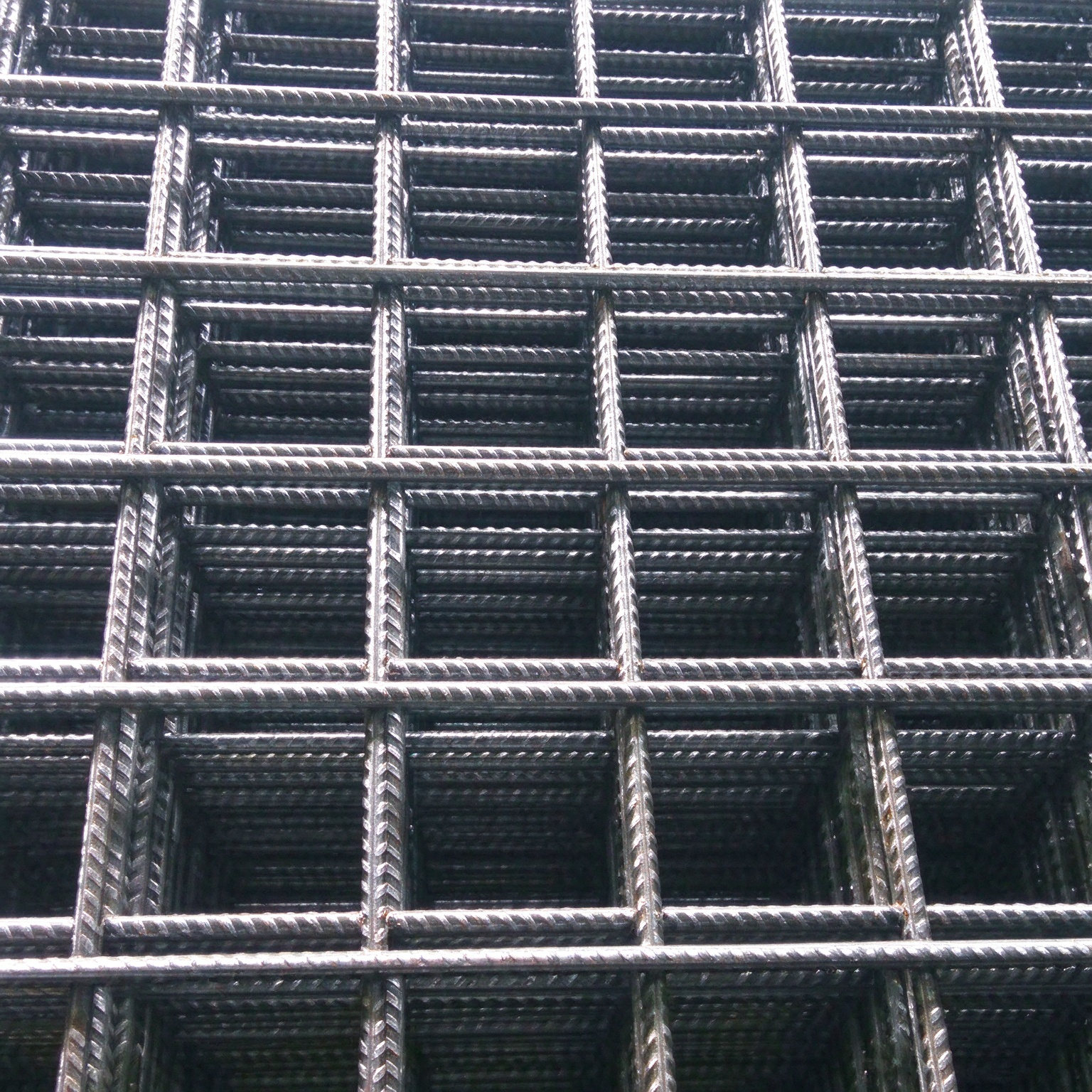
1.High weld point strength and excellent overall rigidity. The mesh panel is not easily bent or deformed during concrete pouring and vibration, allowing precise control of the concrete cover thickness.
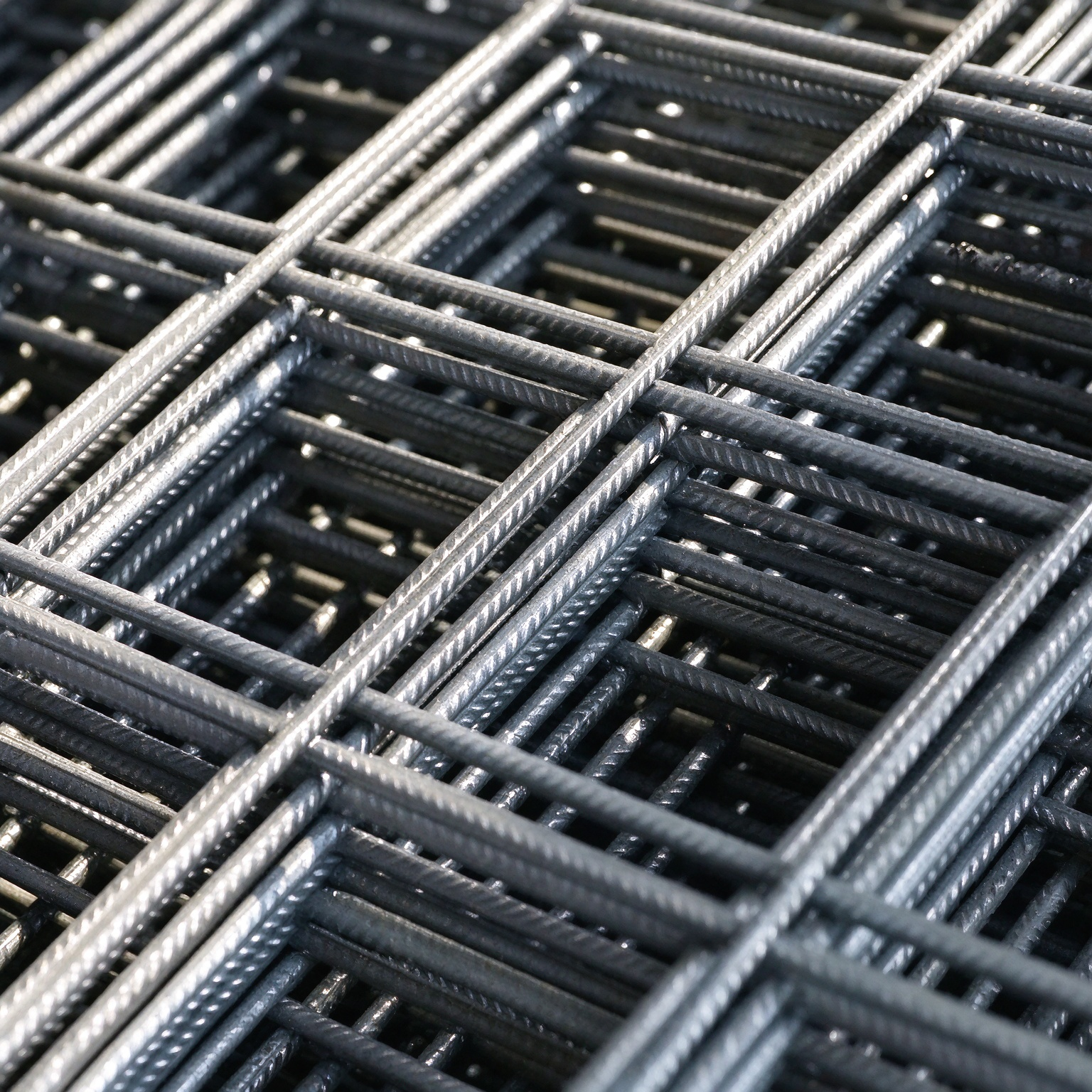
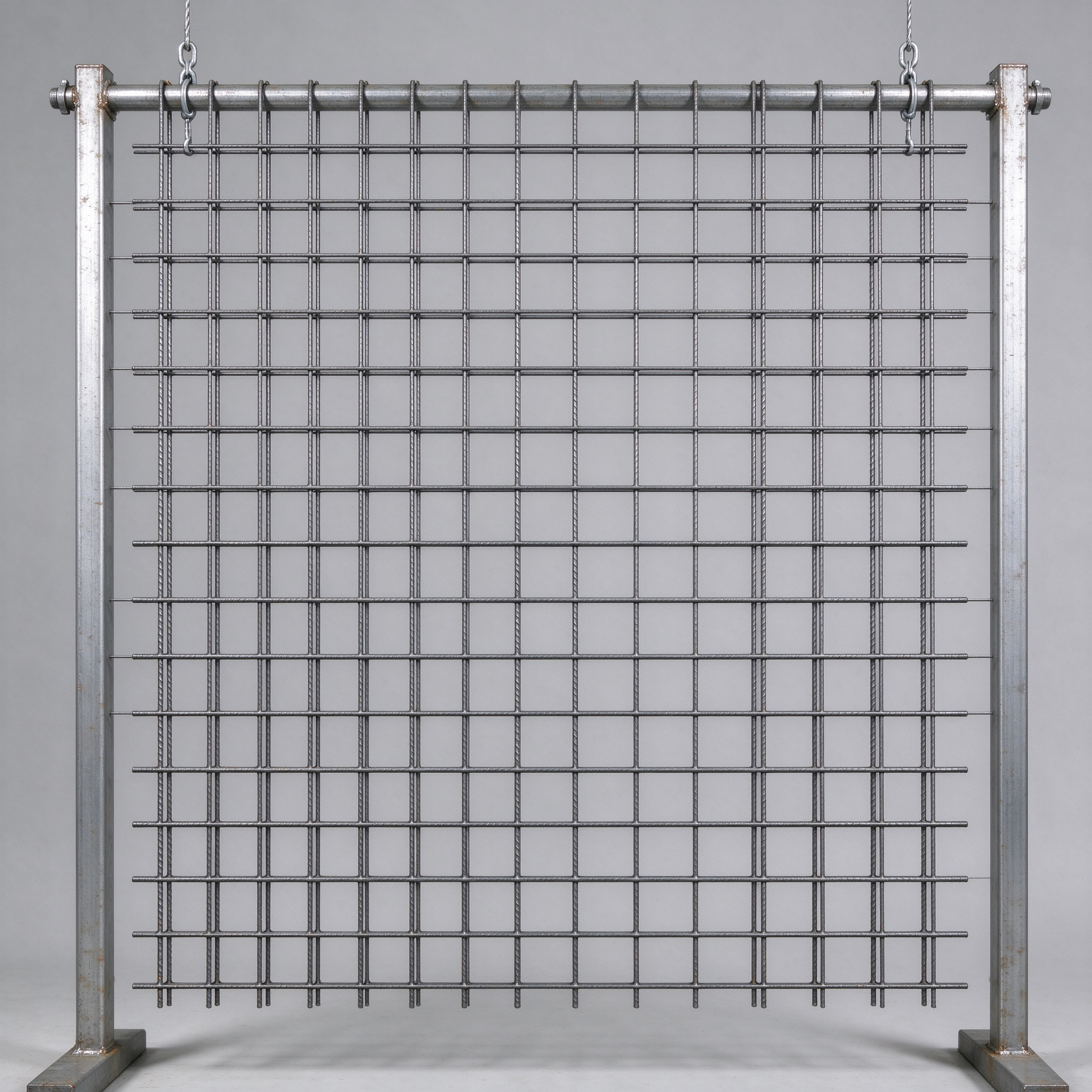
2.Standardized bar spacing ensures uniform stress on concrete components, effectively inhibiting the initiation and propagation of cracks and improving concrete durability.
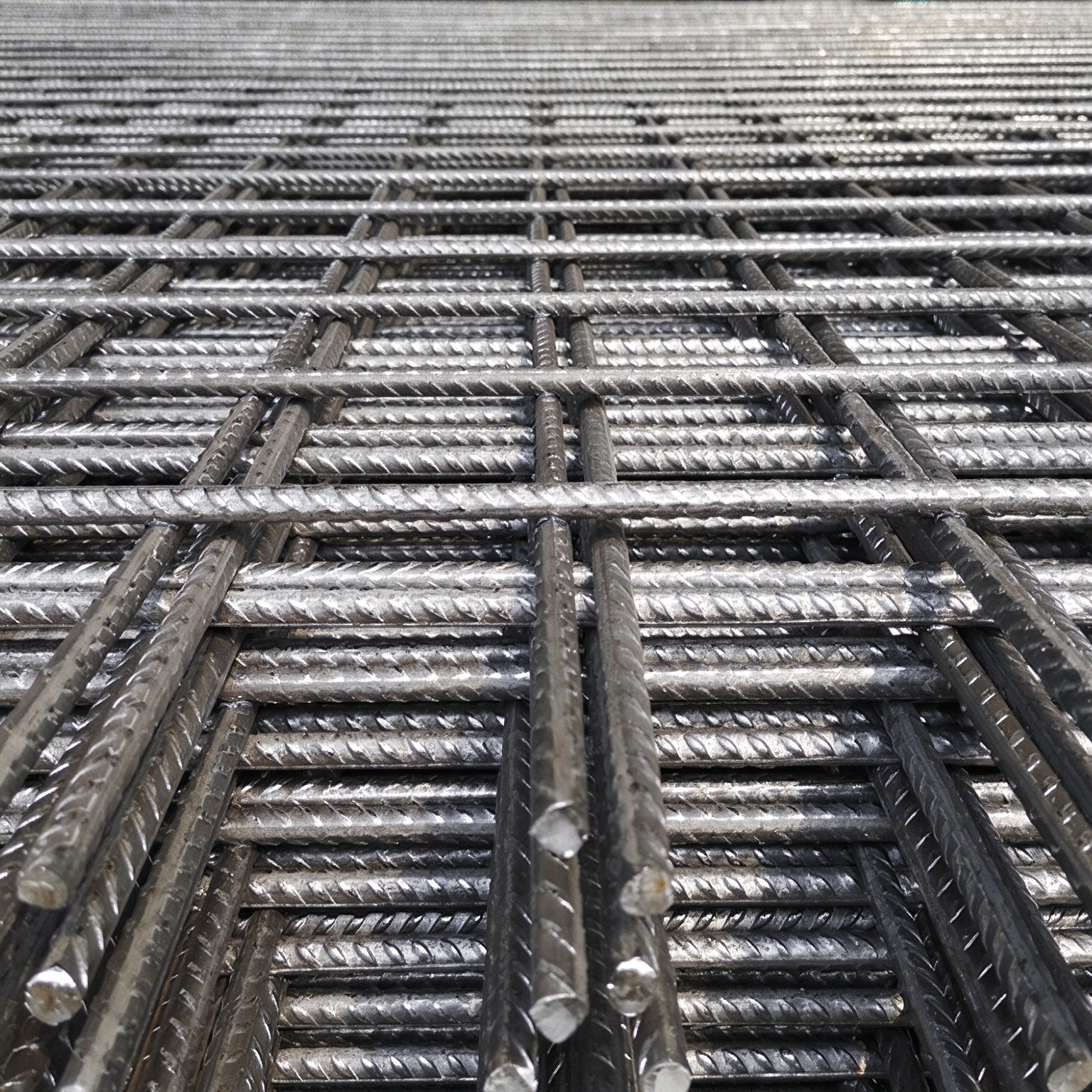
3.Factory prefabrication eliminates the on-site manual rebar tying process, reducing labor costs, shortening the construction period, and reducing on-site human construction errors.
4.Strong bond with concrete: the steel bars and concrete interlock tightly, improving the structure’s seismic and settlement resistance and ensuring stable project quality.
5.Full-specification customization is supported: bar diameter, grid spacing, and mesh panel dimensions can all be produced according to drawings; hot-dip galvanized anti-corrosion versions are available for corrosive areas.
6.Convenient quality inspection and acceptance: the regular and uniform grid makes it easy for engineering personnel to quickly check the rebar layout, simplifying the on-site acceptance process.
Application Scenarios
- Highway & municipal pavement: concrete roads, plaza floors and parking lots to prevent pavement cracking.
- Bridge engineering: bridge deck pavement and abutment reinforcement.
- Tunnels and culverts: tunnel lining support and anti-crack reinforcement.
- Building construction: floor slabs, basement slabs, ground slabs and bearing platforms. Replace manually tied steel bars and improve construction efficiency.
- Hydraulic engineering: river bed protection and dam concrete reinforcement.
Usage Recommendations
- Select wire diameter and mesh aperture according to load requirements. Use thicker wires for heavy-load pavement.
- Support mesh with concrete spacer blocks. Do not place mesh directly on the ground to maintain proper steel cover.
- Follow drawing specifications for lap length and tie overlapping sections securely.
- Avoid stepping on and displacing mesh during concrete pouring.
- Store mesh under rainproof and moisture-proof conditions. Heavily rusted mesh cannot be used for load-bearing structures.
- As load-bearing components, installation must comply with construction drawings and civil engineering codes.